Published on:
Estimated Reading Time: 13 minutes
Written by Jasmina C., Head of Marketing at SDR.sg
Discover insider strategies for B2B lead generation in APAC, with practical tips for Singapore, Kuala Lumpur, and Jakarta SMEs. Learn how to leverage hybrid SDR teams, multi-channel outreach, and localized content to book more meetings and grow your pipeline.
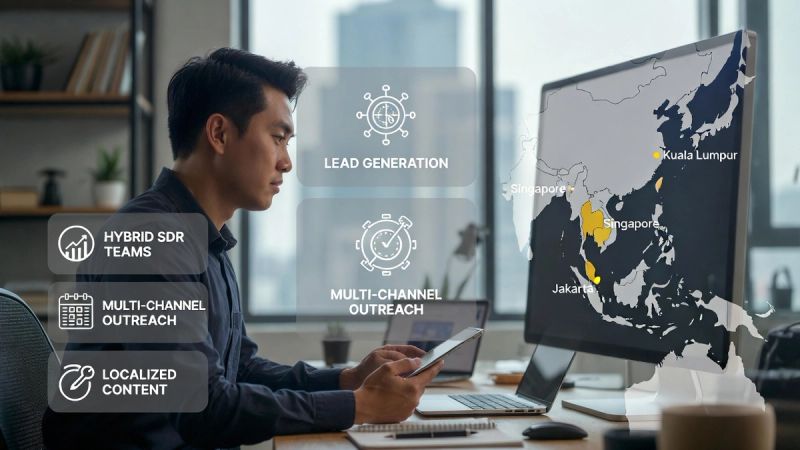
Expanding B2B sales in Southeast Asia (SEA) requires more than Western ABM playbooks. Companies targeting SMBs in APAC quickly learn that Singapore, Kuala Lumpur, and Jakarta each have unique buyer mindsets, cultural nuances, and sales dynamics.
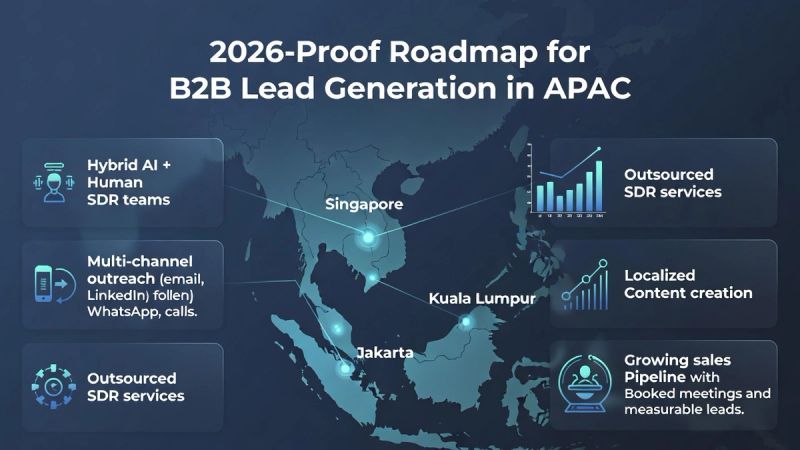
Leveraging outsourced SDR services, hybrid AI + human SDR teams, and multi-channel outreach is essential to build a sales pipeline, book more meetings, and generate measurable B2B leads.
This guide provides a 2026-proof roadmap for B2B lead generation in APAC, with actionable strategies, localized content, and proven benchmarks.
SEA SME Lead Landscape: Why Western ABM Alone Isn’t Enough
Western ABM assumes:
- Clear org charts and decision-makers on LinkedIn
- Easy access to C-suite executives
- Quick qualification via standard outreach
Reality in SEA
- SMEs are often owner-led with informal structures
- LinkedIn presence is inconsistent
- Cold outreach without credibility rarely converts
Industry insight: According to the OECD SME Policy Index: ASEAN 2024 and MDEC Digital Adoption & AI Reports, over 50% of APAC SMEs rely on informal decision-making and local networks for validation.
In SEA, credibility must be proven before you ask for a demo or pitch.
Table 1 – 2026 SME Lead Decoder: Market Matrix
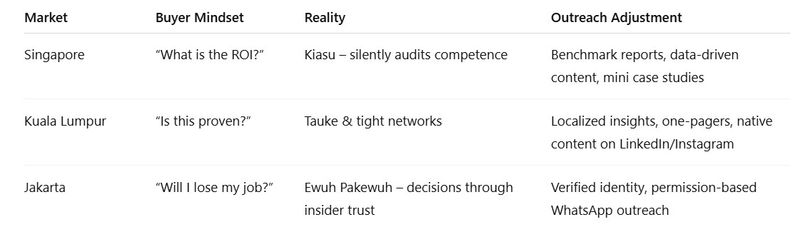
Description:
This table provides a quick, scan-friendly overview of how SME decision behavior differs across SEA markets and what outreach adjustments SDR teams should apply for effective B2B lead generation APAC campaigns.
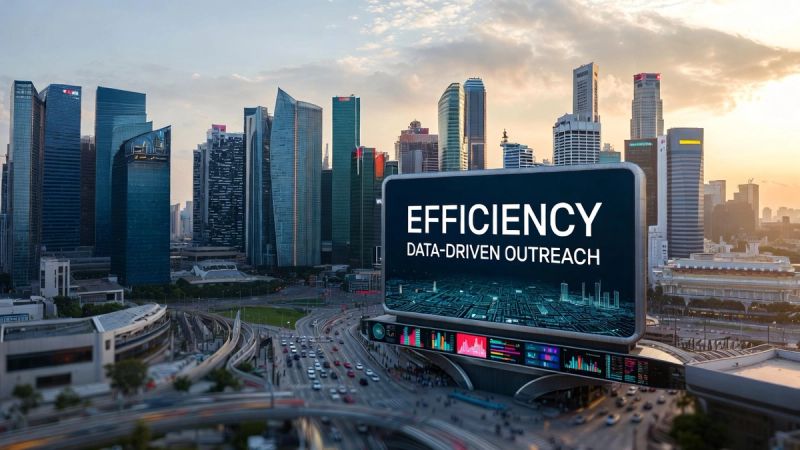
Singapore: Efficiency & Data-Driven Outreach
Buyer mindset: ROI and competence
Singapore SMEs are highly data-driven and competitive, auditing your competence before responding. Success depends on hard data, benchmarks, and proof of expertise.
Actionable tactics:
- Send benchmark reports with measurable results (cost reduction, pipeline acceleration)
- Include mini case studies with KPIs
- Share content positioning your team as trusted advisors
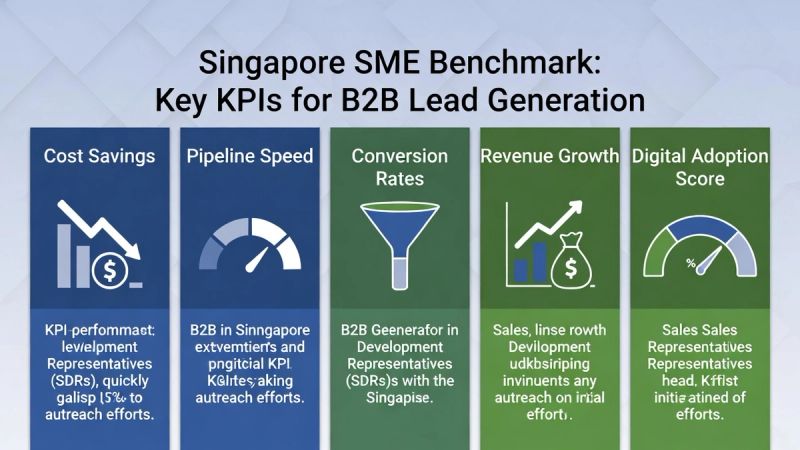
Singapore SME Benchmark: ROI Metrics That Convert
Description:
Visual representation of key KPIs influencing B2B lead generation Singapore: cost savings, pipeline speed, conversion rates, revenue growth, and digital adoption score. Helps SDRs understand what metrics to highlight before outreach.
Industry note: Hybrid AI + human SDR teams achieve 4–7x higher lead conversion versus SDR-only outreach (Martal 2026 benchmark).
Tip: Share competitor benchmark infographic before outreach to demonstrate immediate ROI.
Kuala Lumpur: Pragmatism & Proof
Buyer mindset: “Is this proven?”
KL SMEs rely on trusted networks and practical validation. Aggressive pitches are ineffective. Content must be localized, relevant, and actionable.
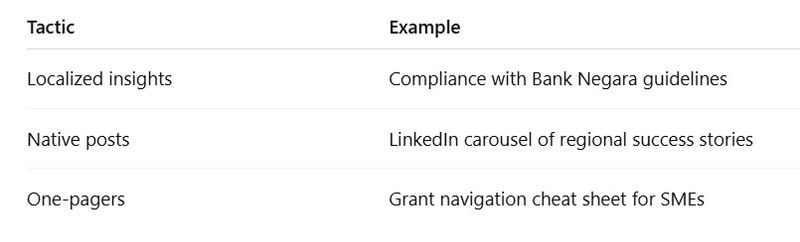
Table 2 – High-Performing Content Types in KL
Description:
This table shows which content formats drive engagement among KL SMEs and improve outcomes for B2B lead generation APAC campaigns.
KL SMEs: Proven Methods That Drive Adoption
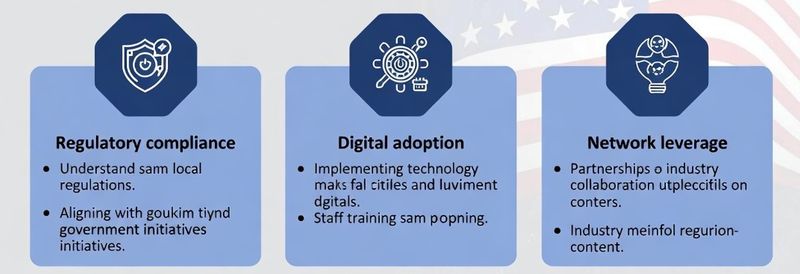
Description:
Highlights the strategies that increase engagement: regulatory compliance, digital adoption, and network leverage. Enables SDRs to craft content that resonates with KL decision-makers.
Industry insight: MDEC reports show that localized content drives 2–3x higher engagement among KL SMEs.
Tip: Post compliance one-pager natively on LinkedIn/Instagram to maximize visibility.
Jakarta: Safety & Trust-Based Outreach
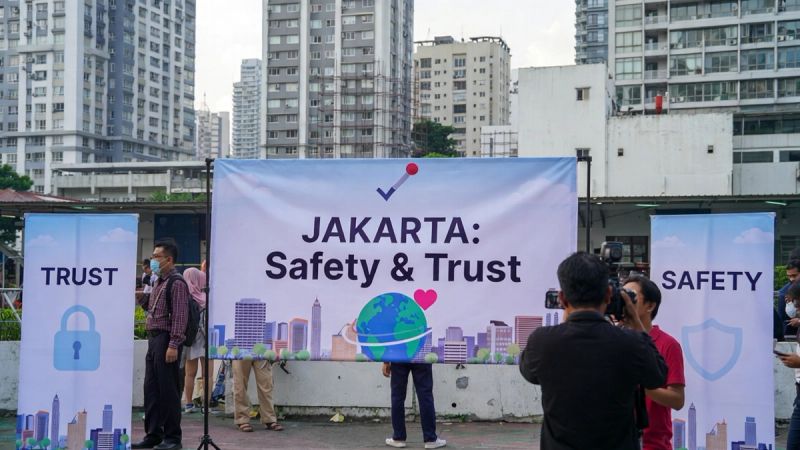
Buyer mindset: “Will I lose my job?”
Jakarta SMEs are risk-averse. Decisions rely heavily on insider trust, and unknown contacts are often ignored. Outreach must prioritize trust and verification.
Table 3 – Jakarta Trust-First Outreach Framework
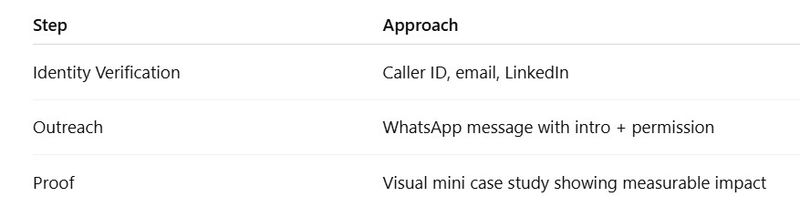
Description:
This table outlines the step-by-step approach to safe, trust-based outreach for B2B lead generation Jakarta, maximizing responses from risk-averse SMEs.
Jakarta Trust-Building Flow
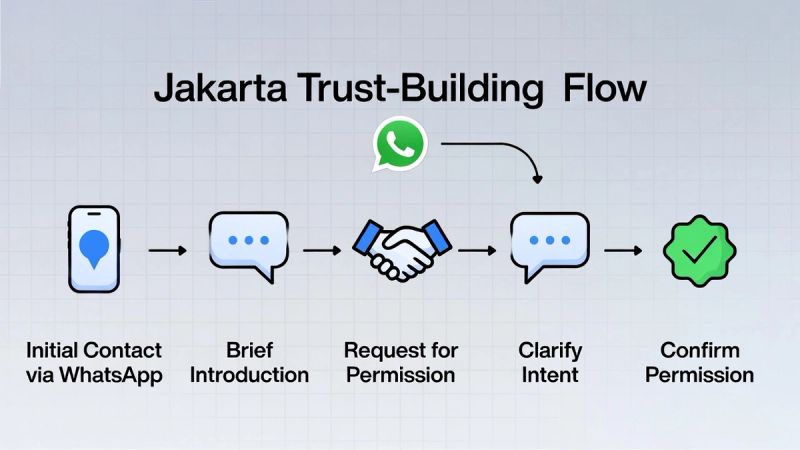
Description:
Flowchart visualizing WhatsApp outreach and permission-based protocol to ensure engagement while respecting local business culture.
Industry insight: Referral-based introductions and insider validation significantly improve response rates.
Tip: Always ask permission before sending case study via WhatsApp.
Hybrid SDR & Multi-Channel Outreach
Hybrid AI + human SDR teams allow scalable, precise, culturally aware outreach:
Table 4 – Channel Roles & Strategies
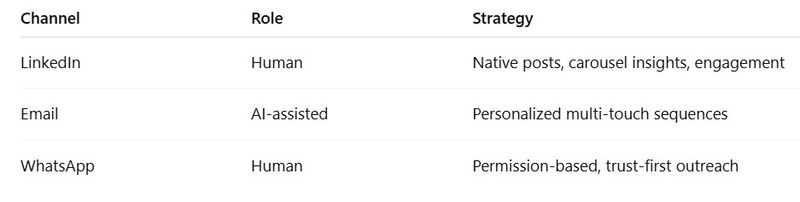
Description:
This table illustrates how hybrid SDR SEA teams combine AI and human expertise across multiple channels to improve B2B lead generation APAC efficiency.
Hybrid SDR Funnel Comparison
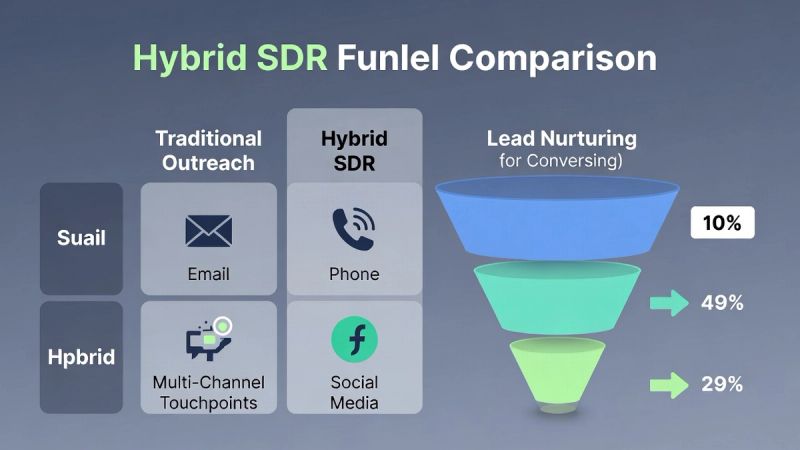
Description:
Visualizes the increased conversion rates (4–7x) for hybrid SDR teams versus traditional outreach, showing the multi-channel touchpoints and lead nurturing flow.
Industry insight: Using AI for pre-qualification and humans for relationship-sensitive follow-ups maximizes pipeline growth.
Tip: Pre-qualify leads with AI and conduct culturally aware follow-ups manually.
Real-World Case Studies
- Singapore – SaaS fintech client: Meetings 12 → 31 in 6 weeks, pipeline +38% (Martal benchmark)
- Kuala Lumpur – Mid-market HR tech: Meetings 8 → 21 in 5 weeks, engagement 2.5x higher (MDEC report)
- Jakarta – Manufacturing SME: WhatsApp mini-case sharing → 50% response rate on qualified leads (OECD SME Policy Index)
FAQ – Top Questions with Answers
Q1: How should ABM strategies be adapted for SEA SMEs?
A1: Focus on trust-building, localized insights, and upfront value. Multi-channel outreach ensures engagement before asking for a demo.
Q2: How do AI SDR tools and human outreach work together?
A2: AI scores leads, predicts intent, and personalizes initial contact; humans handle culturally sensitive follow-ups and confirm appointments.
Q3: Which channels yield the highest engagement in Singapore, KL, and Jakarta?
A3: LinkedIn is effective in Singapore/KL, Instagram in KL, and WhatsApp is critical in Jakarta.
Q4: What is the typical sales cycle length for APAC SMBs?
A4: 6–12 weeks; trust-building and mini-case studies shorten time to first meeting.
Q5: How can I build trust with risk-averse SMEs in Indonesia?
A5: Verify identity, use permission-based outreach, leverage references, and share visual proof of results.
Q6: What content formats generate the highest engagement across APAC markets?
A6: Infographics, mini reports, one-page guides, and visual case studies.
Q7: Are benchmarks and case studies essential for all SME outreach campaigns?
A7: Yes—tangible proof of ROI or compliance increases engagement.
Key Takeaways & Next Steps
- SEA B2B lead generation is slower but stable; patience and cultural awareness are critical
- Data-driven insights + local knowledge = higher booked meetings
- Hybrid SDR SEA teams scale outreach effectively across APAC
- Multi-channel approach (LinkedIn, email, WhatsApp, Instagram) ensures engagement
Book a free consultation with our APAC SDR experts.
Related Posts:
- The Power of Human Touch in APAC B2B Lead Generation.
- How Do You Create Lead Generation in APAC? The Four Steps of Lead Generation for Predictable Pipeline
- How Outsourced SDR Services Drive B2B Lead Generation in APAC
- Hybrid Sales Team: Why AI + Human is the Best Model for APAC B2B Sales